

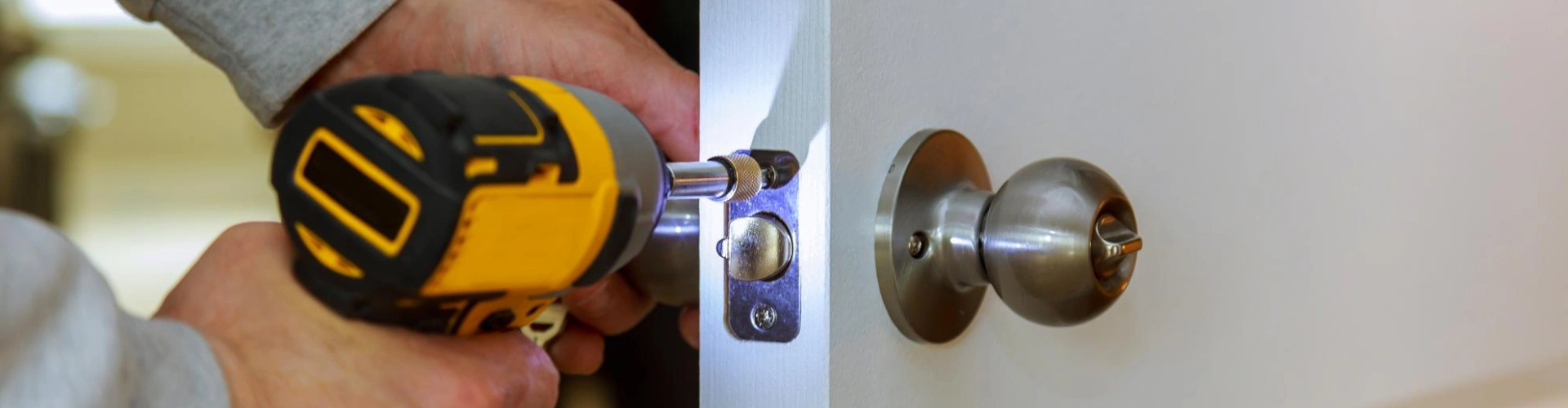
How Many Spare House Keys Should You Have in Beaumont?
Most people think keys are just about access. One per person, maybe a backup under the mat. But lockouts and emergencies don't care about your convenience — and if you're not prepared, you're asking for a headache. Keys might seem simple, but they leave a footprint on your security and daily routine. Especially if you're handing them out or hiding them somewhere "clever."
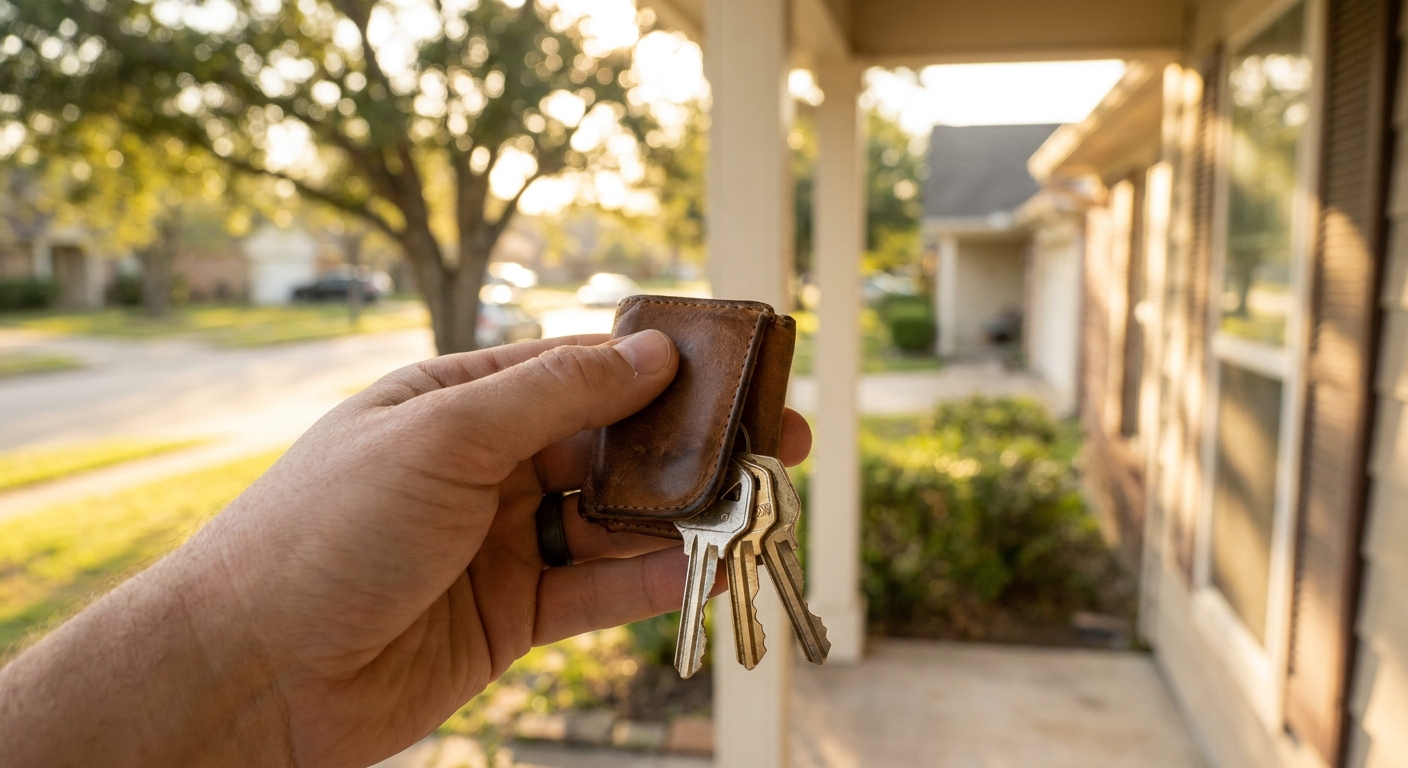
Here's the reality. If you're managing a household with real responsibilities, that's smart. Just don't treat spare keys like they're optional. Every key should have a purpose. Every location needs thought. And every security decision should be grounded in who actually needs access — not just who asks for it.
When a Spare Is Essential and When It's a Risk
Nine times out of ten, having spare keys makes life easier. You lock yourself out, someone you trust has a backup — that's preparation, not paranoia. Most families in Beaumont don't question whether to keep extras, only where to stash them and who gets one.
But hand out too many? Different story. Every key floating around is another entry point you don't control. We've seen it happen time and again — old roommates, ex-contractors, forgotten copies. One unreturned key can mean rekeying the entire house. And when trust gets tested, the lock is what pays the price.
Who Actually Needs a Key
You can't just hand keys to anyone who crosses the threshold. But the people who do need access? They need reliable entry. That's where most Beaumont households draw the line.
Here's who typically gets a key:
- Every resident over the age of responsibility — that's non-negotiable
- A trusted neighbor or relative who lives close enough to respond in an emergency
- Regular service providers like cleaners or dog walkers, if they're vetted and consistent
- A secure lockbox for backup access without handing out physical keys
- Property managers or landlords, depending on lease terms and local regulations
Where Storage Becomes a Security Decision
Want to keep spare keys safe? Don't put them where burglars check first. That fake rock by the front door isn't fooling anyone.
You'll need better hiding spots than tradition suggests:
- A wall-mounted lockbox with a code only your household knows
- A neighbor's house, not your own yard
- A fireproof safe inside your home for true emergency backup
- A digital keypad lock that eliminates physical keys altogether
- Your car's glove box, if it stays locked and parked securely offsite
The Magic Number for Most Households
If your household includes two adults and a couple of kids, you're looking at a minimum of four keys just for daily use. Add one emergency spare and one for a trusted contact, and you're at six. That's the baseline for most Beaumont families without getting reckless.
But here's where it shifts. If you rent out a room, host short-term guests, or have aging parents who check in regularly, those numbers climb. Most mid-sized households settle around five to seven total keys — enough to cover real needs without losing track of who has what.
When Losing a Key Means More Than Inconvenience
Lost a key and don't know where it went? That's not just annoying. That's a security gap. If someone finds it and knows where you live, your lock is compromised. No amount of hoping it's "somewhere in the house" fixes that risk.
Smart households rekey or replace locks the moment a key goes missing under suspicious circumstances. It's cheaper than dealing with a break-in. And if you're in an apartment or rental, check your lease — some require immediate reporting of lost keys to property management.
What Most Beaumont Residents Get Wrong
Mixing keys with personal items at the front desk of a gym or handing spares to anyone who offers to "hold onto it" — that's where things fall apart. Sloppy key management can cost you money, security, or both. Most people stay on track by keeping a written log of who has which key and when it was issued.
Here's what slips through the cracks most often:
- Giving keys to contractors and never asking for them back
- Hiding spares in places everyone knows — under mats, in planters, above door frames
- Forgetting to update trusted contacts when you move or change locks
- Leaving labeled keys on a ring that says your address
- Assuming smart locks are foolproof without backing them up with physical keys
Tech Alternatives That Actually Work
Smart locks aren't just trendy — they're practical for households juggling multiple schedules. You can issue temporary codes to guests or service providers without cutting a single key. If someone abuses access, you revoke the code. No rekeying, no drama.
But don't ditch physical keys entirely. Batteries die. Wi-Fi drops. Software glitches. Keep at least one traditional key tucked away somewhere secure as a failsafe. Technology is backup, not replacement.
Know Who Has Access and Why
Your spare key strategy works only if you know exactly who's holding what. That means tracking who you've given keys to, when they were issued, and whether they're still relevant. If your old babysitter from three years ago still has a copy, that's a problem.
Run an audit twice a year:
- List every person who has a physical key
- Note any keys you've hidden or stored offsite
- Check lockbox codes and change them if they've been shared too widely
- Ask for keys back from anyone who no longer needs regular access
- Rekey locks if you've lost track or moved into a new place
When Rekeying Becomes Necessary
Sometimes the cleanest move is starting fresh. If you've just bought a home, moved into a rental, or ended a relationship where keys were exchanged, rekeying isn't paranoia — it's common sense. You don't know who the previous owner gave keys to. You don't know if copies were made without permission.
A residential locksmith can rekey your locks in under an hour for a fraction of what replacing them costs. Most Beaumont residents budget for this whenever they move. It's a one-time expense that buys long-term peace of mind. For those wondering should you change your locks in Beaumont after moving in, the answer is usually yes — and professional lock installation and repair ensures it's done right.
Keep It Simple and Secure
Managing spare keys isn't complicated, but it does require intention. Too few and you're locked out. Too many and you're exposed. The sweet spot for most Beaumont households is five to seven keys total — enough for daily life, emergencies, and trusted contacts without losing control. Track who has access. Store backups smartly. If you find yourself in need of home lockout assistance or professional advice on how often should you rekey your home locks in Beaumont, don't hesitate to consult experts. And when in doubt, rekey rather than gamble on where an old key ended up. Security doesn't have to be paranoid, but it does have to be intentional.
Let’s Make Your Home Security Effortless
We all want peace of mind knowing our homes are secure and our families have access when it matters most. If you’re ready to simplify your spare key strategy or need help rekeying, let’s talk it through together. Call us at 409-499-3484 or request a quote and we’ll help you take the next step toward a safer, more convenient home.
‹ Back
Recent Posts
-
How Many Spare House Keys Should You Have in Beaumont?
October 14, 2026
-
Is It Time to Replace the Locks on Your Beaumont Rental Property?
September 30, 2026
-
Can a Locksmith in Beaumont Help After a Break In?
September 16, 2026
-
Should Beaumont Businesses Upgrade to High Security Keys?
September 2, 2026
-
Is Your Car Key in Beaumont Not Working?
August 19, 2026