

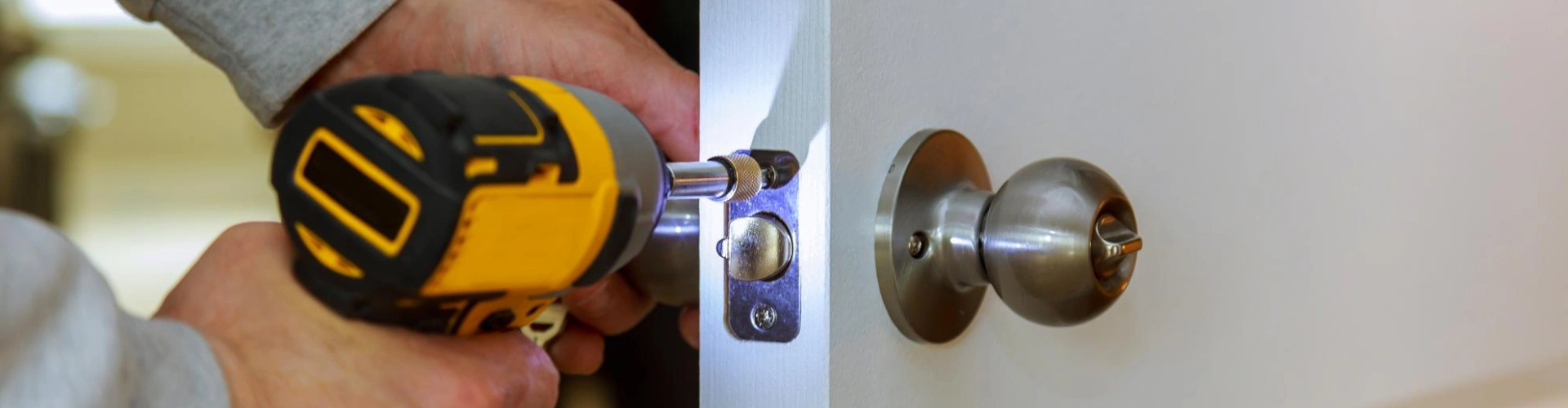
How Beaumont Residents Can Tell a Lock Needs Repair
Most homeowners think locks are just about keeping doors shut. Turn the key, hear the click, move on. But security hardware tells a different story when it starts to fail — and if you're not paying attention, you're leaving yourself exposed. Locks don't announce their problems with flashing lights. They give you subtle warnings, and those warnings matter more in Beaumont's climate than most people realize.
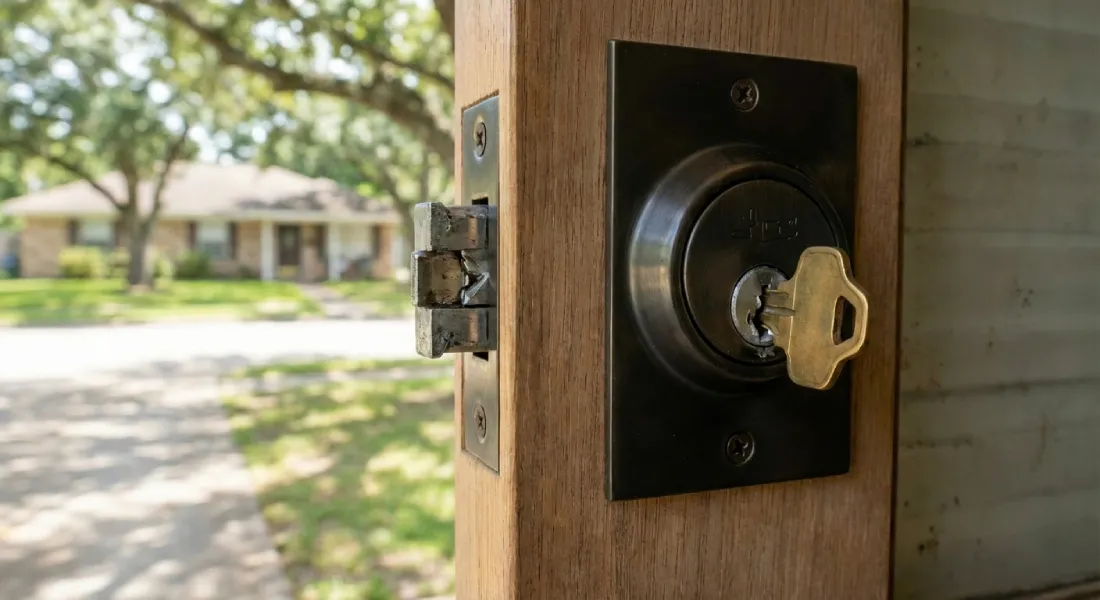
So here's what we know. If your lock is acting up, that's not just an inconvenience. It's a vulnerability. Every sticky tumbler, every grinding sound, every key that won't turn smoothly — those are red flags. And every day you ignore them is another day your property sits at risk. The fix is usually straightforward, but only if you catch it before the hardware gives out completely.
When Your Key Fights Back
The moment you start wrestling with your key, something's already wrong. A lock that resists smooth operation isn't being stubborn — it's breaking down. Internal pins wear out, cylinders shift, and debris works its way into places it shouldn't be. Forcing it might get you through the door today, but you're accelerating the damage.
And if you're jamming that key harder each time? You're one turn away from snapping it off inside the mechanism. That's not a repair anymore — that's an extraction job followed by a replacement. The smart move is calling someone before you're locked out with half a key in your hand.
Stuck Keys Mean Stuck Problems
Keys that refuse to come out or break off mid-turn aren't just bad luck. They're symptoms of internal failure. Worn pins, corroded chambers, or a warped key blank can all trigger this. Beaumont's humidity accelerates rust formation, especially on exterior locks that face the elements daily.
A broken key leaves you stranded and vulnerable. No amount of wiggling or pliers work will fix what's happening inside that cylinder. Once the key snaps, you're dealing with both extraction and repair — and that's assuming the lock itself is still salvageable.
Loose Hardware Screams Tampering Risk
A lock that wobbles or shifts when you use it has lost its structural integrity. Screws loosen over time from repeated use, or someone may have tested your security without you knowing. Either way, a loose lock is an easy target. It doesn't take much force to compromise hardware that's already unstable.
We've seen this play out too many times. A homeowner notices the wiggle, figures it's no big deal, and then comes home to find their door forced open. Tightening screws might help temporarily, but if the mounting points are stripped or the mechanism itself is failing, you need professional intervention.
Visible Damage Tells the Whole Story
Your eyes don't lie. If you see scratches, dents, rust, or discoloration on your lock, that's physical evidence of compromise. Attempted break-ins leave marks. Weather exposure eats away at metal. Age shows up as corrosion and pitting.
Beaumont's storms and humidity create perfect conditions for accelerated wear. Exterior locks face constant moisture, temperature swings, and salt air if you're near the coast. What starts as surface rust can work its way into the mechanism, freezing components and making the lock unreliable. Visible damage is your cue to act before the internal damage becomes catastrophic.
Latches That Don't Catch
When your door closes but doesn't latch securely, the lock isn't doing its job. Misalignment happens as buildings settle, humidity causes wood to swell, or the strike plate shifts. A door that appears closed but isn't fully latched can be pushed open with minimal effort.
This isn't just about convenience. It's about whether your lock actually secures your property. If the bolt isn't engaging properly, you might as well not have a lock at all. Realignment or adjustment can usually fix this, but you need to know what you're dealing with before you start drilling new holes or bending metal.
Strange Noises Signal Internal Breakdown
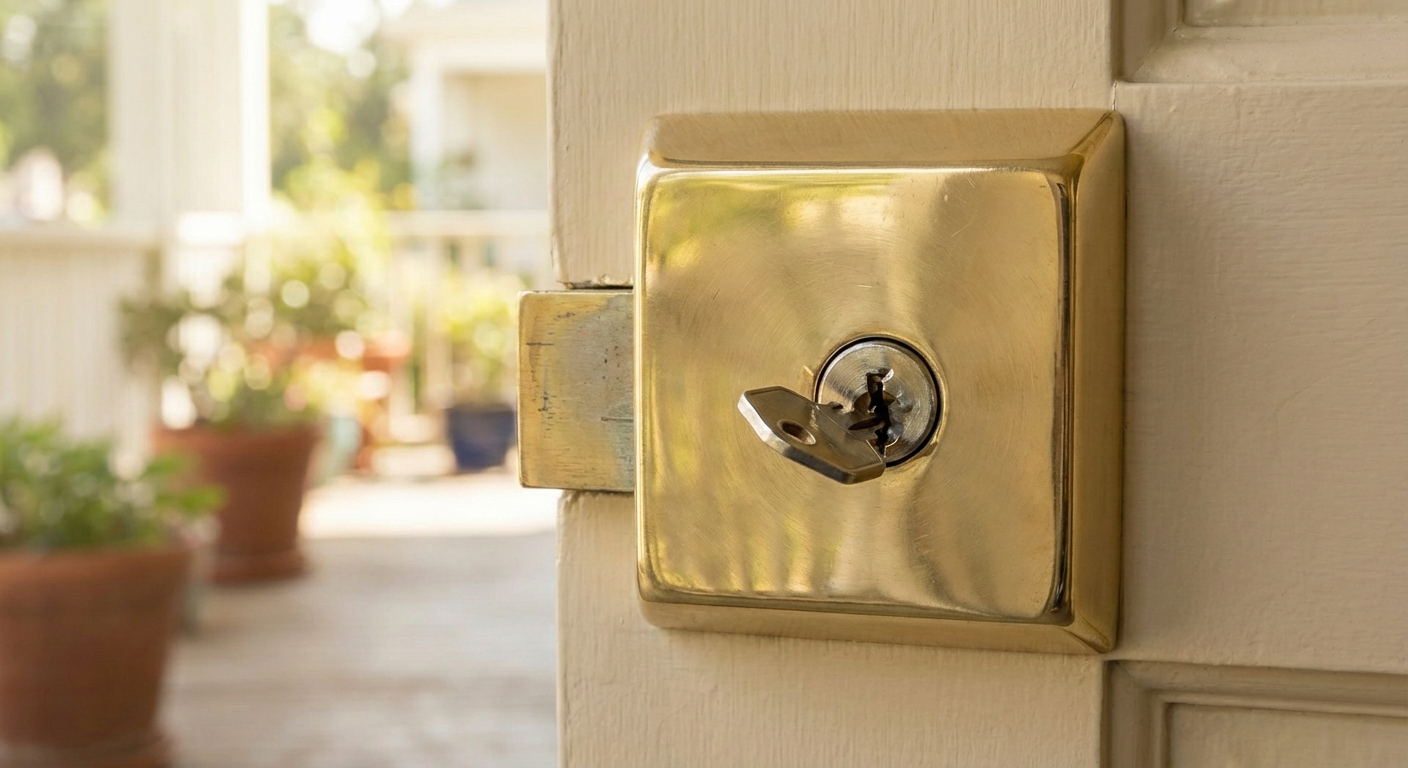
Locks should operate quietly. Grinding, clicking, squeaking, or scraping sounds mean something inside is failing. Worn components, lack of lubrication, or debris in the cylinder all create friction and noise. These sounds are your lock telling you it's struggling.
Ignoring the noise doesn't make it go away. It just means you're waiting for complete failure instead of addressing the problem while it's still fixable. A little graphite lubricant might help in the short term, but if the sounds persist, the internal damage is already done.
Age Catches Up Eventually
Even locks that seem fine have expiration dates. Older hardware lacks the security features of modern designs and becomes more prone to failure as components wear out. If your locks are pushing a decade or more, they're operating on borrowed time.
We're not saying every old lock needs immediate replacement, but repeated issues with aging hardware are a sign that reliability is slipping. At some point, repair costs add up to more than replacement would cost — and you're still stuck with outdated security.
Why Waiting Costs More Than Fixing
Putting off lock repairs doesn't save money. It just shifts the cost from preventive maintenance to emergency locksmith services or property loss. A malfunctioning lock is an open invitation to anyone testing doors in your neighborhood. For Beaumont residents, where community safety depends on everyone maintaining their security, ignoring lock problems affects more than just your property.
The repair itself is usually straightforward. The consequences of skipping it aren't. Theft, vandalism, or unauthorized entry can happen in the time it takes you to "get around to it." Your belongings and your family's safety are worth more than the cost of a service call.
When DIY Becomes a Liability
Some lock issues respond to basic maintenance. Cleaning out debris, applying lubricant, or tightening screws can solve minor problems. But most lock failures require professional diagnosis and repair. Attempting fixes without the right tools or knowledge can make things worse — and more expensive.
A qualified locksmith can identify what's actually wrong, perform the repair correctly, and tell you whether replacement makes more sense than patching failing hardware. That expertise is worth paying for, especially when the alternative is a botched DIY job that leaves you less secure than when you started.
What Professional Service Actually Delivers
Calling a locksmith isn't just about fixing what's broken. It's about getting an accurate assessment of your security and knowing your options. Professionals can spot problems you'd miss, recommend upgrades that actually matter, and complete repairs that last.
Here's what that service includes:
- Complete inspection of the lock mechanism and mounting hardware
- Identification of wear patterns and potential failure points
- Proper lubrication and adjustment of internal components
- Replacement of worn pins, springs, or cylinders as needed
- Recommendations for upgrades if repair isn't cost-effective
Security Hardware Doesn't Fix Itself
Locks fail gradually, then suddenly. The key that's been sticking for weeks finally snaps. The wobble you've been ignoring becomes a forced entry. The rust you thought was cosmetic freezes the mechanism completely. We've seen it happen too many times, and it's always preventable.
At the first sign of trouble, make the call. Get the inspection. Fix what needs fixing before it becomes a crisis. Whether you need lock installation repair for your home, rekeying locks for added security, or lock repair replacement for your business, professional locksmith services ensure your property's security depends on hardware that works when you need it — — not hardware that's one turn away from failure. For immediate assistance with any lock issue, contact us today. Beaumont residents who stay ahead of lock problems sleep better, and their homes stay safer. That's not paranoia. That's just smart maintenance with real consequences when you skip it.
Let’s Secure Your Beaumont Home Together
We know how important it is to feel safe and confident every time you lock your door. If you’ve noticed any of these warning signs, don’t wait for a small issue to become a big problem. Let’s work together to keep your home protected and your peace of mind intact. Call us at 409-499-3484 or request a quote and let’s get your locks back in top shape.
‹ Back
Recent Posts
-
How Many Spare House Keys Should You Have in Beaumont?
October 14, 2026
-
Is It Time to Replace the Locks on Your Beaumont Rental Property?
September 30, 2026
-
Can a Locksmith in Beaumont Help After a Break In?
September 16, 2026
-
Should Beaumont Businesses Upgrade to High Security Keys?
September 2, 2026
-
Is Your Car Key in Beaumont Not Working?
August 19, 2026