

Can a Locksmith in Beaumont Rekey a Lock Without Replacing It?
Most property owners think rekeying means replacing everything. New lock, new hardware, new hassle. But that's not how it works — and if you don't understand the difference, you're probably paying more than you need to. Rekeying keeps your existing lock in place while changing who can get through your door. It's faster, cheaper, and just as secure when done right.
So here's the reality. If you're looking to lock out old tenants, lost keys, or anyone who shouldn't have access anymore, rekeying does the job without ripping out your deadbolt. Just don't assume every lock can be rekeyed. Some are too worn down. Some are cheap junk that should've been replaced years ago. And some high-security models require tools most locksmiths in Beaumont don't carry.
What Rekeying Actually Means
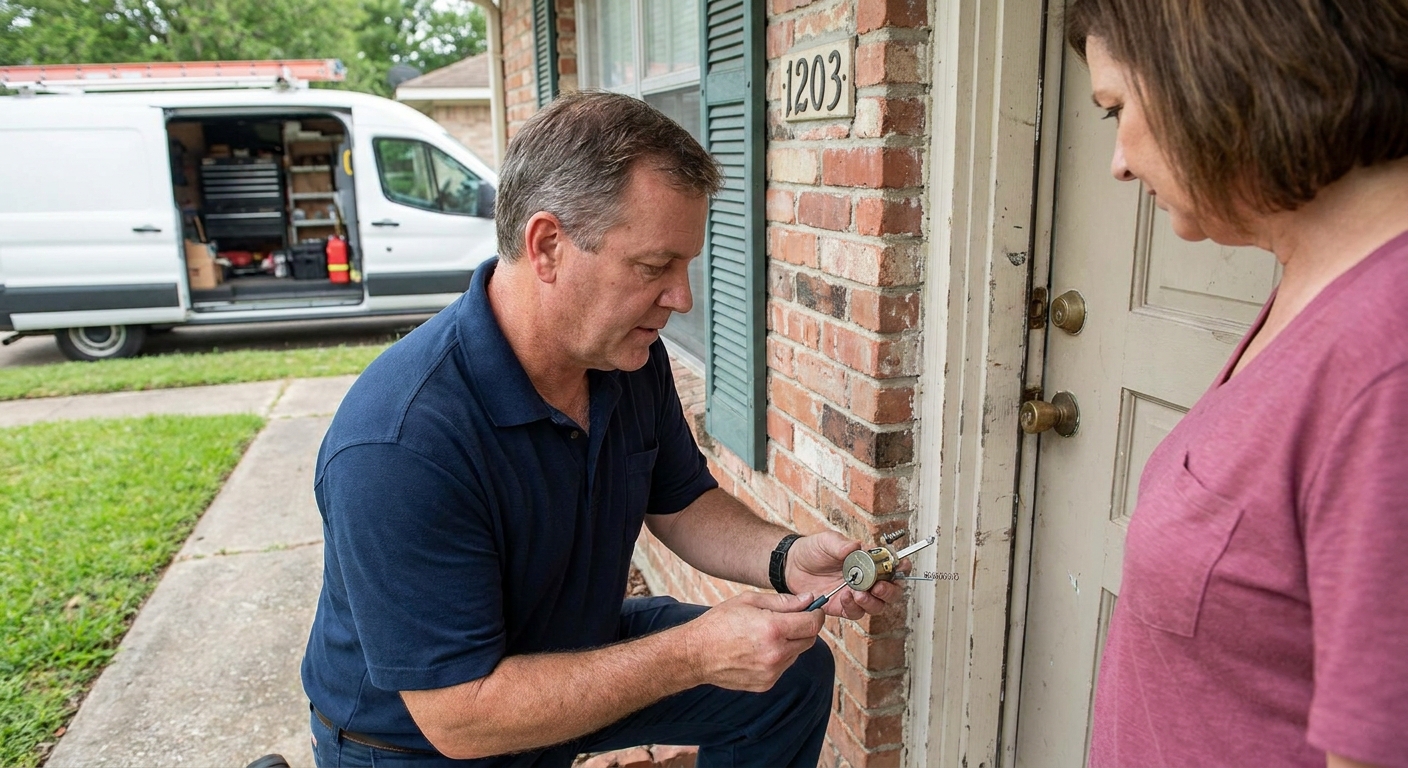
Rekeying isn't magic. It's mechanical. Your locksmith pulls the cylinder, swaps out the pins inside, and sets them to match a new key. The old keys stop working. The lock stays put. No drilling, no new knobs, no aesthetic mismatch if you've got a matching set across your property.
We've seen plenty of business owners and homeowners skip this step because they think it's complicated. It's not. A trained locksmith can rekey most standard locks in under twenty minutes. The process doesn't damage your door, doesn't require new hardware, and doesn't leave you waiting on parts to ship. You walk away with new keys and the same lock you started with — just reconfigured.
Why Rekeying Beats Replacement Most of the Time
Replacing a lock sounds definitive. But unless your hardware is broken or outdated, rekeying gives you everything you need without the markup. Here's where it wins:
- You spend a fraction of what full replacement costs
- The job gets done in one visit, not two
- Your existing finish and style stay intact
- Former key holders lose access immediately
- You can match multiple locks to one master key if that's your setup
The Process Isn't Guesswork
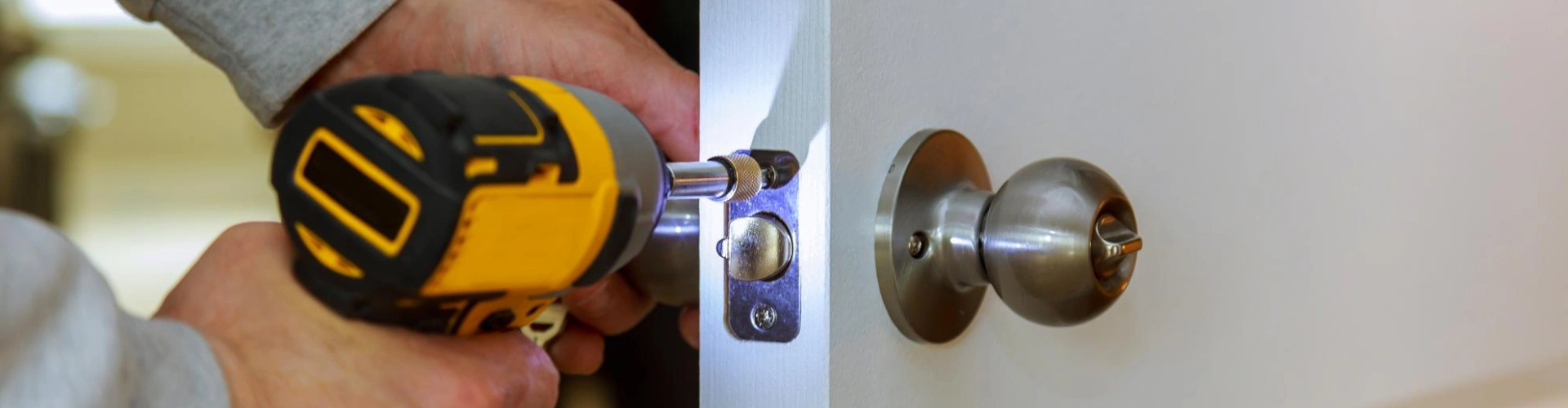
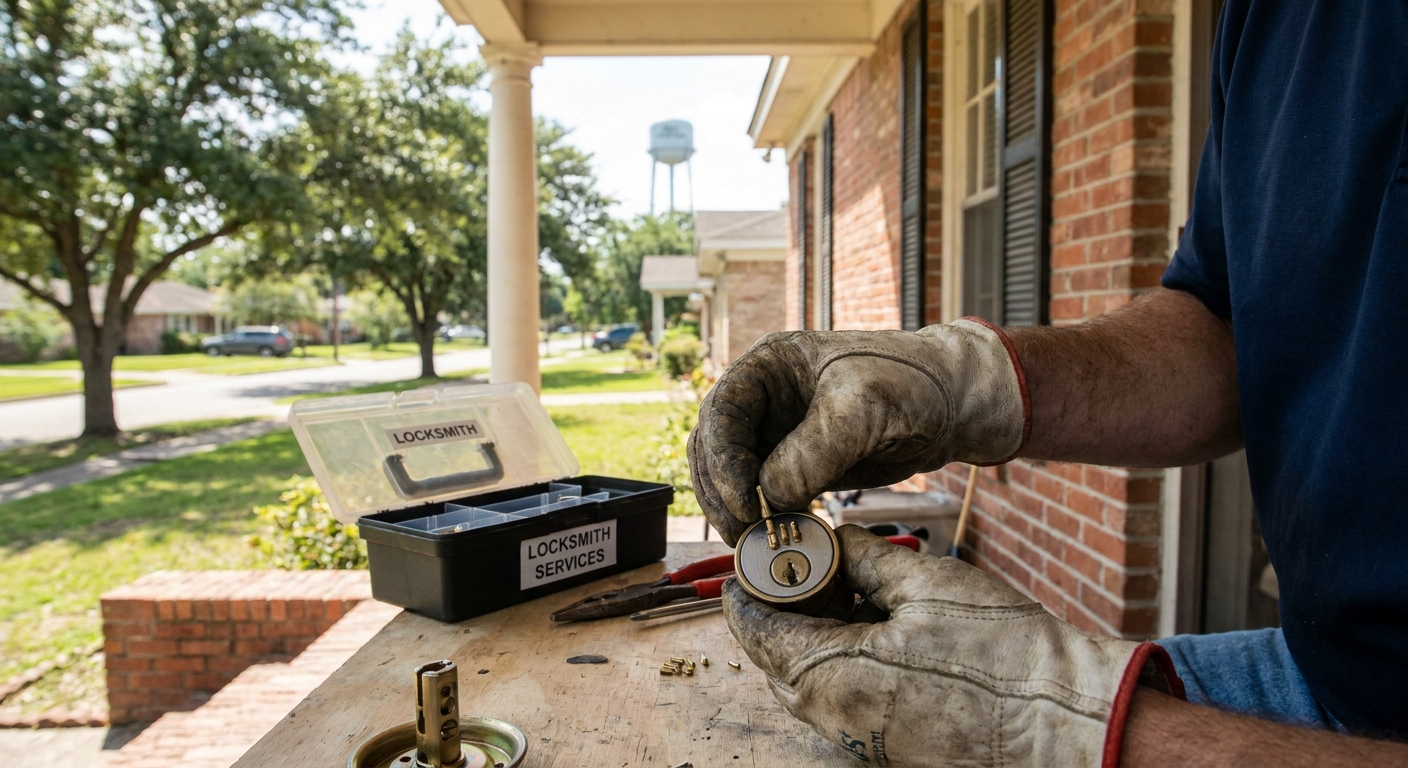
A locksmith in Beaumont who knows their trade doesn't wing it. They follow a system. First, they remove your lock from the door — usually just a couple screws. Then they take apart the cylinder to access the pin stack. Those pins get swapped for new ones that align with your new key pattern. Everything gets reassembled, tested, and reinstalled.
If the locksmith can't get the pins to align or the cylinder won't turn smoothly, that's a sign your lock isn't worth keeping. Maybe the springs are shot. Maybe the housing is corroded. Either way, they'll tell you before they waste your time trying to force a rekey on hardware that won't hold up.
When You Should Pull the Trigger on Rekeying
Don't wait for a security scare to make the call. Rekeying should be part of your routine anytime access changes hands. That means after closing on a new property, after firing an employee who had keys, or after a roommate moves out. It also means acting fast if your keys go missing or you catch someone trying to get in.
Here's when rekeying makes the most sense:
- You just bought a house or commercial space
- Keys were lost or stolen and you don't know who has them
- Someone attempted a break-in and you want to reset access
- A tenant, contractor, or partner is no longer authorized
- You want all your exterior locks to work with one key
Where Rekeying Hits a Wall
Not every lock can be rekeyed. If your hardware is damaged, corroded, or just cheap builder-grade garbage, your locksmith may tell you it's not worth the labor. Some older locks don't have replaceable pins. Some high-security models use proprietary keyways that require factory tools or special authorization.
And if the lock has been forced open or tampered with, the internal mechanism might be too compromised to rekey reliably. That's when lock replacement becomes the smarter move — not because rekeying is impossible, but because you'd be rekeying a lock that's already failing.
Finding a Locksmith Who Does It Right
Not every locksmith in Beaumont operates at the same standard. Some cut corners. Some overcharge. Some show up unprepared and can't rekey half the locks they claim to service. You want someone licensed, insured, and equipped to handle commercial and residential locksmith services — not just somebody with a drill and a van.
Ask questions before they show up. Can they rekey your brand of lock? Do they carry the right pins? Will they guarantee the work? If they dodge those questions or give vague answers, keep looking.
What It Costs and What You Get
Rekeying typically runs a fraction of what you'd pay for new locks. Pricing varies depending on how many locks you need done, what kind of hardware you have, and whether it's a standard or high-security setup. Most locksmiths charge per lock, with bulk discounts if you're doing an entire building.
Here's what factors into the cost:
- Number of locks being rekeyed
- Type of lock — standard pin tumbler vs. high-security
- Service call fees if it's after hours or an emergency
- Whether you want a master key system set up
- Condition of your existing hardware
Master Keying and Multi-Lock Systems
If you're managing a building with multiple units or a business with different access levels, rekeying opens the door to master key systems. One key for management, individual keys for tenants or employees, all using the same hardware. It's clean, it's efficient, and it beats carrying fifteen keys on one ring.
Your locksmith sets this up during the rekey by installing master pins in each lock. Those pins allow both the master key and the individual key to operate the lock. It's more involved than a standard rekey, but it's still cheaper and faster than swapping out every lock on your property.
How to Keep Rekeyed Locks Running Smooth
Once your locks are rekeyed, don't treat them like they're indestructible. Lubricate the cylinders every few months with graphite or a silicone-based spray. Keep your keys clean and don't force them if they stick. And if a lock starts binding or the key doesn't turn smoothly, call your locksmith before it breaks completely.
Maintenance checklist:
- Lubricate cylinders quarterly with the right product
- Test each lock regularly to catch issues early
- Replace worn keys before they damage the pins
- Keep extra copies in a secure spot, not under the mat
- Schedule annual inspections if you're managing commercial property
Getting It Done Without the Run-Around
Rekeying isn't rocket science, but it does require precision and the right tools. If you're in Beaumont and need locks rekeyed, find a locksmith who shows up prepared, quotes you honestly, and finishes the job without upselling you on hardware you don't need. There's no reason to replace a perfectly good lock just because someone lost a key. Rekey it, move on, and keep your property secure without burning through your budget.
Ready to Secure Your Property?
When it comes to protecting what matters most, we believe in making the process simple and stress-free. If you're ready to rekey your locks or have questions about the best solution for your home or business, let's talk it through together. Give us a call at 409-499-3484 or request a quote and we'll help you take the next step toward peace of mind.
‹ Back
Recent Posts
-
How Many Spare House Keys Should You Have in Beaumont?
October 14, 2026
-
Is It Time to Replace the Locks on Your Beaumont Rental Property?
September 30, 2026
-
Can a Locksmith in Beaumont Help After a Break In?
September 16, 2026
-
Should Beaumont Businesses Upgrade to High Security Keys?
September 2, 2026
-
Is Your Car Key in Beaumont Not Working?
August 19, 2026