

When Beaumont Drivers Should Replace a Worn Car Remote
Most Beaumont drivers think a car remote is just a convenience tool. Press a button, doors unlock. Press another, trunk pops. But when that remote starts acting up, it's not just annoying — it's a security gap. A worn key fob doesn't give you warning signs in neon letters. It just stops working when you need it most. And if you're waiting for total failure before you act, you're already behind.
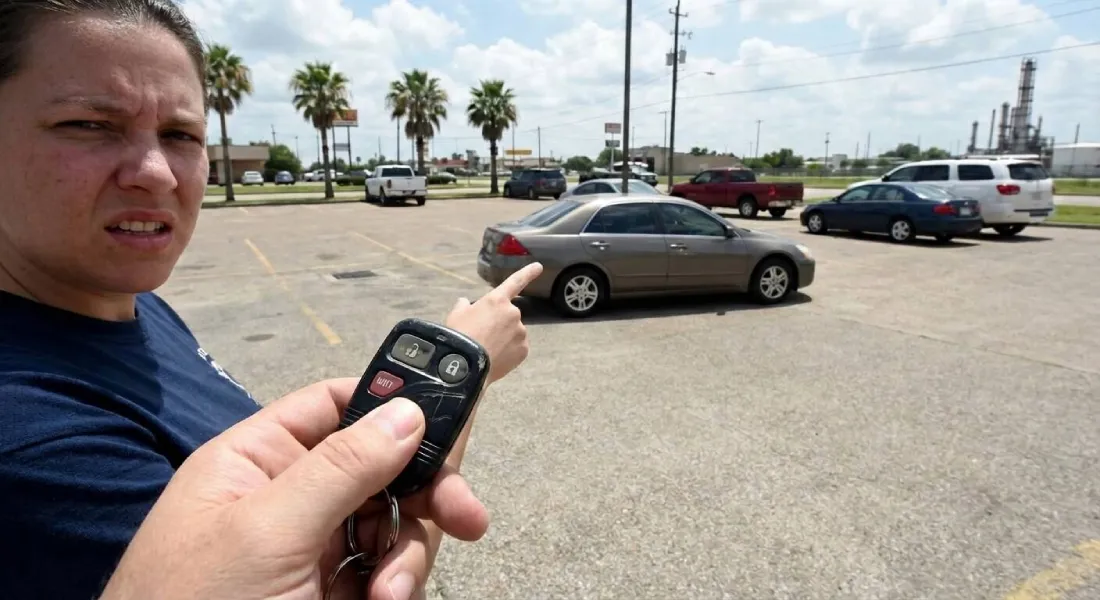
The truth is, remotes wear down faster than people realize. Buttons get sticky. Circuits corrode. Range shrinks. And by the time you're standing in a parking lot jabbing at a dead fob, the damage is done. So here's what matters: knowing when wear crosses into failure, and replacing the thing before it leaves you stranded.
Your Remote Stops Responding Like It Used To
A healthy key fob works the first time, every time. You hit the button from across the lot, and the car responds. But when that starts to slip — when you're pressing twice, three times, or walking closer just to get a reaction — that's not a quirk. That's wear.
Inconsistent performance means the internal components are breaking down. Maybe it's the battery contacts. Maybe it's the circuit board. Either way, the fob is telling you it's on borrowed time. And if you ignore it, you're gambling on whether it'll work tomorrow.
- Buttons require multiple presses to register
- Remote only works when you're standing right next to the vehicle
- Delayed response between button press and car action
- Certain functions work while others don't
- Signal strength drops noticeably over weeks or months
Physical Damage Means Internal Damage
Drop your remote once, and it might survive. Drop it five times, and you're asking for trouble. Cracks in the casing aren't just cosmetic — they let moisture in. Worn buttons don't just look bad — they stop making contact with the board underneath.
We've seen remotes that still functioned after being run over, dropped in puddles, or left in the sun for hours. But that doesn't mean they're fine. Internal damage doesn't always show up immediately. It shows up when you're late for work and the fob won't unlock the door.
- Visible cracks or splits in the plastic housing
- Buttons that stick, wobble, or feel mushy
- Battery compartment that won't stay closed
- Water exposure or liquid damage
- Fob has been dropped repeatedly on hard surfaces
Battery Changes Become a Weekly Habit
Replacing a key fob battery once a year? Normal. Replacing it every few weeks? That's a red flag. When a remote drains batteries faster than it should, the problem isn't the battery — it's the fob itself.
Faulty circuitry pulls more power than it's supposed to. Corroded contacts create resistance. And once that cycle starts, no fresh battery will fix it. You're just feeding a dying device.
- Battery dies within days of replacement
- Remote works briefly after battery swap, then fails again
- Corrosion visible inside the battery compartment
- Fob feels warm to the touch during use
Security Features Start to Slip
A malfunctioning remote doesn't just inconvenience you — it compromises your vehicle. If the lock function is unreliable, you might think your car is secure when it's not. If the alarm doesn't arm properly, you're leaving your vehicle exposed.
We've heard from Beaumont drivers who discovered their cars unlocked in the morning, even though they swore they locked them the night before. That's not forgetfulness. That's a fob that's failing to send the full signal. And that's a problem worth solving before something gets stolen.
- Car doesn't lock even when the remote confirms it did
- Alarm system fails to activate
- Doors unlock randomly without input
- Panic button stops functioning
- Remote start feature becomes unreliable
Age and Usage Add Up Faster Than You Think
Most key fobs are built to last three to five years under normal use. But "normal" is relative. If you're unlocking and locking your car multiple times a day, you're wearing through that lifespan faster. If your remote lives in your pocket with keys, coins, and other debris, you're accelerating the damage.
Even if your fob still works, age matters. Components degrade. Solder joints weaken. And when you're past the typical lifespan, replacement isn't paranoia — it's maintenance. Don't wait for total failure when you can plan ahead.
Replacement Beats Regret Every Time
Swapping out a worn remote isn't complicated, but it does require a little homework. Some vehicles let you program a new fob yourself with a series of button presses and ignition cycles. Others need a dealership or locksmith to sync the remote to your car's system. Professional car key replacement services can handle the programming quickly and ensure compatibility with your vehicle. Either way, the process is faster and cheaper than dealing with a lockout or a security issue.
And if you're proactive about it — ordering a replacement before the old one dies completely — you avoid the panic, the tow truck, and the inflated emergency service fees. If you do find yourself locked out due to a failed remote, car lockout assistance is available to get you back on the road. Many modern vehicles also require transponder key programming when replacing remotes, which ensures your new fob communicates properly with your car's security system. For comprehensive help with any key fob or remote issues, automotive locksmith services provide expert solutions tailored to your vehicle's needs. When you need immediate help or want to schedule a replacement, contact us for fast, reliable service. You can also request a quote to understand the cost before committing to the service. That's the difference between handling a problem and letting a problem handle you.
Stay Ahead of Remote Trouble
We know how important it is to keep your car secure and your daily routine running smoothly. If your remote is showing any of these warning signs, let's take care of it before it leaves you stranded. Give us a call at 409-499-3484 or request a quote today, and together we'll make sure you're never caught off guard by a failing key fob.
‹ Back
Recent Posts
-
How Many Spare House Keys Should You Have in Beaumont?
October 14, 2026
-
Is It Time to Replace the Locks on Your Beaumont Rental Property?
September 30, 2026
-
Can a Locksmith in Beaumont Help After a Break In?
September 16, 2026
-
Should Beaumont Businesses Upgrade to High Security Keys?
September 2, 2026
-
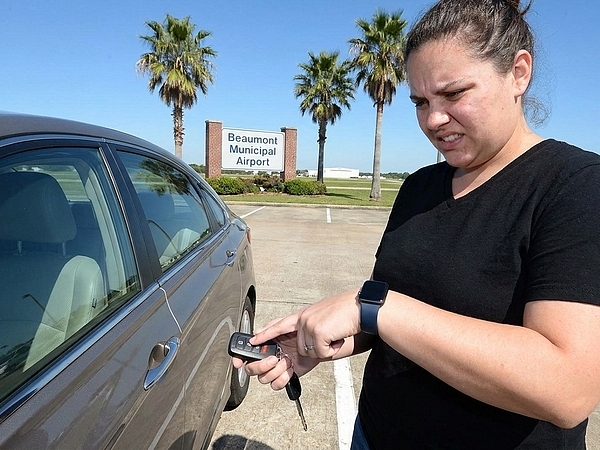
Is Your Car Key in Beaumont Not Working?
August 19, 2026