

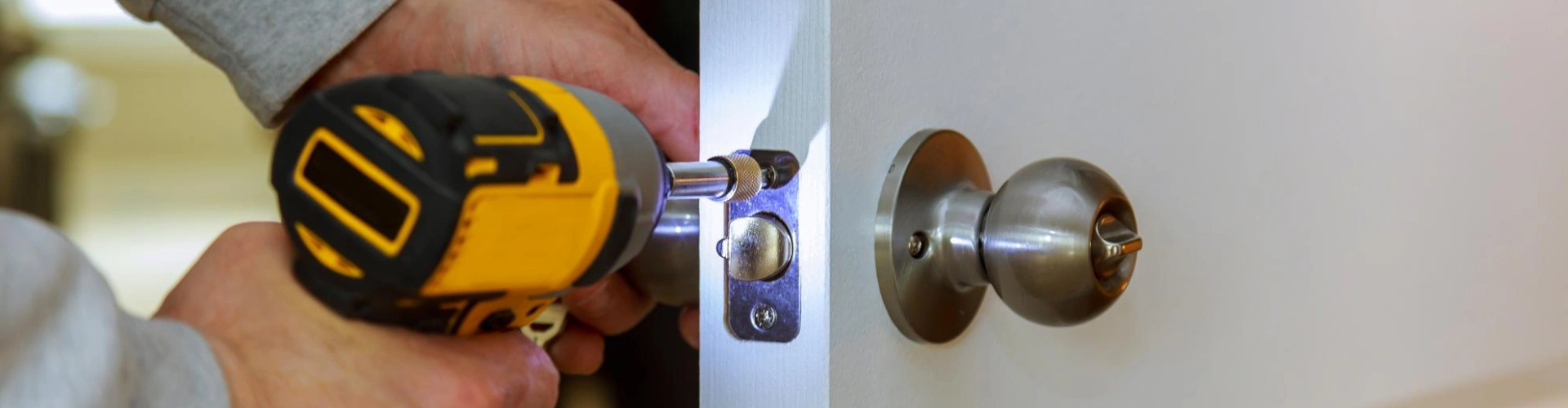
Upgrading Commercial Door Hardware for Better Security
Most property managers think door hardware is just about keeping people out. Lock it, forget it. But security professionals see more than that — and if you don't, you're asking for a break-in. Hardware may not look like much on the surface, but it's the first line of defense between your assets and whoever wants them. Especially if you're running a business with inventory, sensitive data, or high foot traffic.
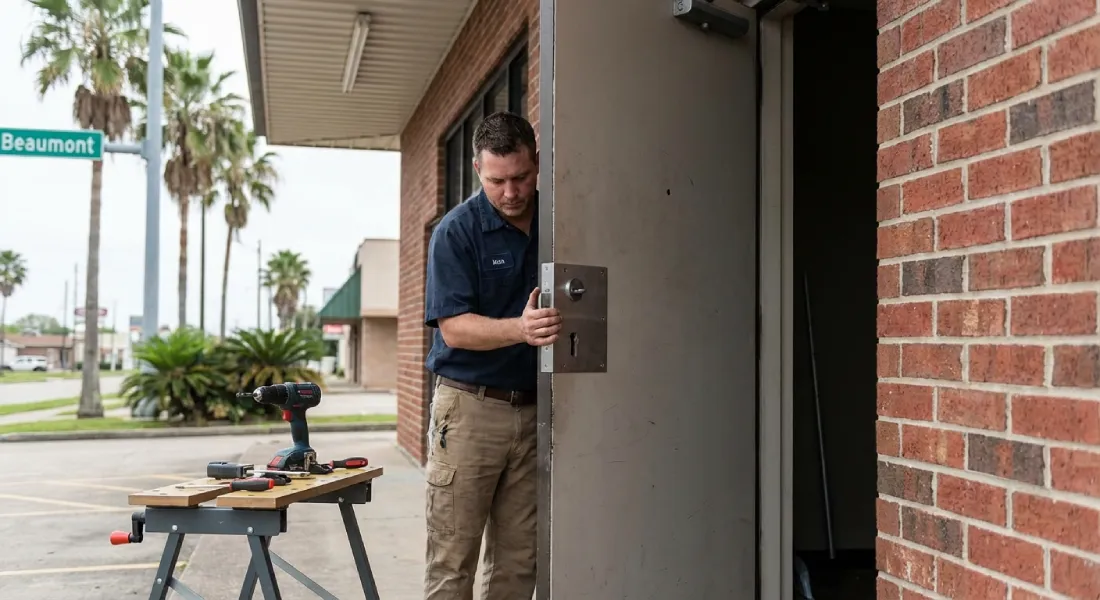
So here's the reality. If you're investing in a commercial space, that's smart. Just don't treat those entry points like they're invincible. Every lock should be grade-rated. Every access point needs reinforcement. And every security decision should be grounded in how the hardware performs under pressure — not just how it looks on the door frame.
When Standard Locks Stop Being Enough
Nine times out of ten, the hardware that comes with a commercial lease isn't built for real threats. You get a basic lock, maybe a closer, and that's it — functional, sure, but not secure. The problem isn't whether it works on day one. It's whether it holds up when someone tests it.
And they will test it. Forced entry, lock bumping, tailgating — these aren't rare events. They happen every day to businesses that assumed their doors were fine. We've seen it play out in real time with retail break-ins and office thefts. Plenty of owners thought their setup was adequate — it wasn't. And when hardware fails, the losses pile up fast unless you've already upgraded to something that can take a hit.
The Hardware You Can Actually Rely On
You can't just slap any lock on a commercial door and call it secure. The IRS — sorry, the insurance company — wants to see rated hardware. So do building codes. And if you're serious about protection, you need components that are built for the job.
Here's where that matters most:
- Grade 1 deadbolts are tested to withstand forced entry and repeated use — anything less is a gamble
- Mortise locks offer more contact points with the frame, making them harder to kick in or pry open
- Panic bars let people exit fast during emergencies while keeping intruders locked out from the outside
- Access control systems track who enters and when, so you're not relying on keys that get copied or lost
- Reinforced strike plates distribute force across the frame instead of concentrating it at one weak point
- Automatic door closers ensure doors latch every time, eliminating the risk of someone leaving an entry unsecured
Where Cheap Hardware Costs You More
Want to keep your property secure? You'll need to prove the hardware was real — and that it could actually stop someone determined to get in. Building inspectors and insurers have checkpoints for this stuff. If your locks don't meet commercial standards, you're not just risking a break-in. You're risking liability.
The industry has three main benchmarks:
- The lock must meet ANSI/BHMA grading standards for commercial use
- Strike plates and hinges must be reinforced with screws long enough to reach the stud
- Access points must comply with fire code and ADA requirements, not just security preferences
Fail one of those, and the upgrade doesn't hold up under scrutiny. Even if the hardware technically looks solid. And if any of your doors serve dual purposes — like a back exit that also gets used for deliveries? That's where most break-ins happen. No shortcuts on those.
Access Control Isn't Just for Tech Companies
If your business handles anything valuable — inventory, equipment, customer data — you need more than a key. Keys get duplicated. They get lost. They get handed off to people who shouldn't have them. Access control systems solve that problem by tying entry to credentials you can manage and revoke in real time.
You'll need to evaluate your traffic patterns and decide where control matters most. High-security areas like server rooms or storage? Those need card readers or biometric scanners. Front entrances with steady flow? A keypad or fob system works. The point is to layer your security so that even if one entry point gets compromised, the rest stay locked down.
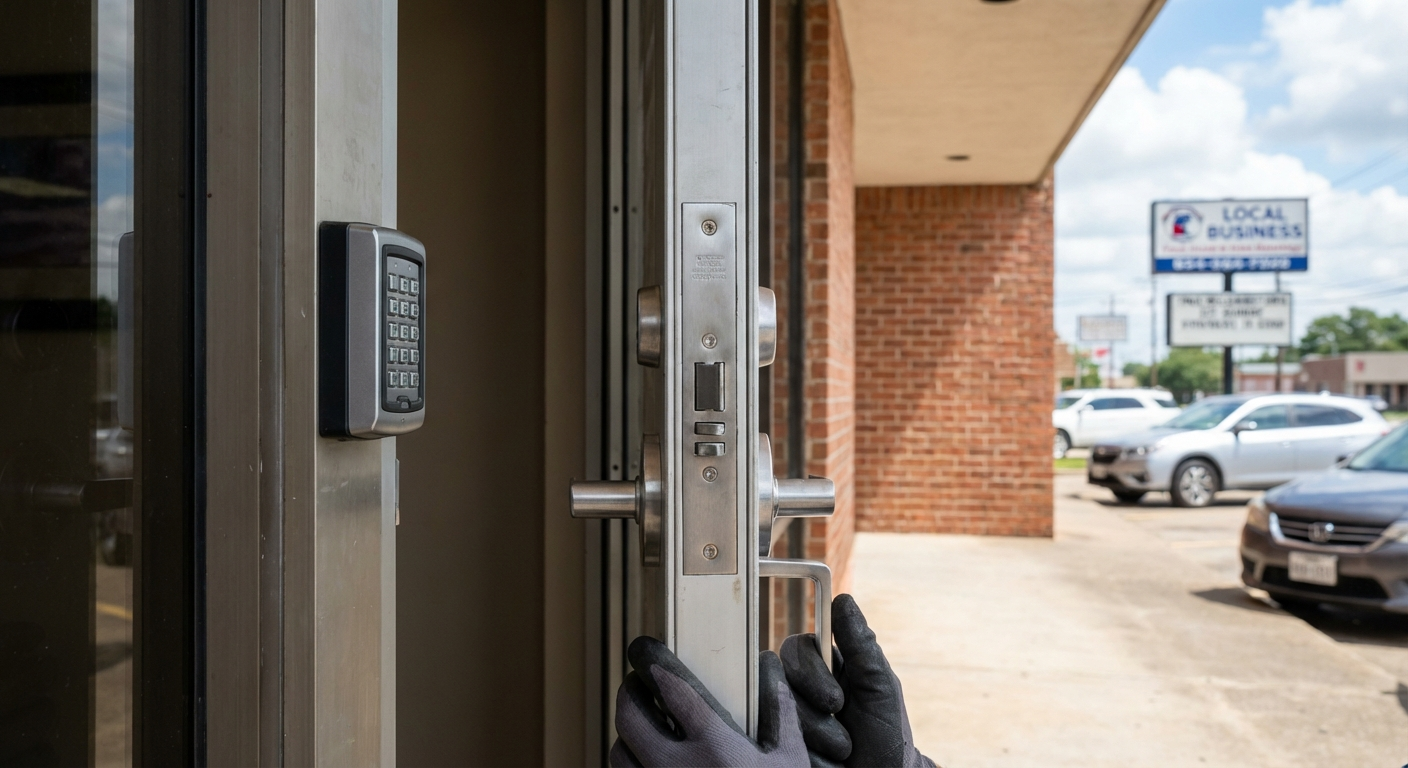
Your Security Is Only As Strong As Your Weakest Door
Want to keep intruders out? Show your weak points before they do. You'll need more than a walk-through to identify vulnerabilities.
Here's what your security audit should include:
- A review of every exterior door, including side and rear entries that don't get much attention
- An assessment of frame integrity — rotted wood or loose anchors make even the best locks useless
- A check of hinge placement and whether they're exposed on the outside
- Documentation of who has keys or access credentials and whether that list is current
If a security consultant comes through, they won't just take your word that everything's fine. Mixing residential-grade hardware into a commercial setup is one of the fastest ways to fail an inspection. So if that back door still has the same knob lock from ten years ago, you'd better have a replacement plan.
Where Most Property Managers Drop the Ball
Assuming All Locks Are Created Equal
Trying to save money with residential-grade deadbolts on a commercial door? The insurance adjuster won't find that clever. Mismatched hardware can void coverage or raise premiums. Most property managers play it safe by sticking to ANSI-rated components — and plenty stay compliant by working with commercial locksmith services who know the codes.
Ignoring Maintenance Until Something Breaks
Don't wait until a lock jams or a closer stops working to schedule service. If you skip routine checks, you're gambling with security. If you over-tighten or under-lubricate, you risk premature failure. Inspect hardware quarterly. It's tedious. It works.
Forgetting About the Frame
If you installed a high-security lock but left the frame untouched, that's a red flag. A solid lock on a weak frame is like a vault door on a cardboard box. Reinforce the jamb, upgrade the strike plate, and make sure the screws go deep. That's what keeps the door in place when someone tries to force it.
When to Bring In a Professional
If your building has multiple entry points, mixed-use spaces, or anything that needs to meet fire or accessibility codes, you're in territory where DIY gets risky. A commercial locksmith or security consultant helps you identify which hardware meets your needs and which doesn't, apply code requirements correctly across all doors, separate public and restricted access cleanly, and handle integration with alarm systems or surveillance.
It's not just about stopping a break-in this month. It's about setting up a system that keeps your business protected and compliant for the long haul. Many businesses benefit from implementing master key systems that provide controlled access across multiple entry points. Professional lock repair replacement ensures your hardware stays functional and secure over time. If you're curious how other property managers have handled these upgrades, look at case studies that show what's possible when you prioritize security from the start.
Protection Starts at the Threshold
Installing better hardware isn't the hard part. Choosing the right components — and making sure they're installed correctly — that's where businesses get caught off guard. There's no excuse for weak locks when the solutions are readily available. But there's also no forgiveness when someone walks through a door that should've been secure.
Upgrading commercial door hardware is about more than compliance. It's about control. It's about knowing that when you lock up for the night, your property stays locked. And it's about making sure that the people who belong inside can get in, while everyone else stays out. That's not complicated. It just requires the right hardware and the discipline to install it properly.
Let’s Secure Your Business Together
We know how important it is to keep your business safe and running smoothly. Upgrading your commercial door hardware is a smart move, and our team is ready to help you make the right choices for lasting protection. Let’s talk about your security needs—call us at 409-499-3484 or request a quote to get started on a safer tomorrow.
‹ Back
Recent Posts
-
How Many Spare House Keys Should You Have in Beaumont?
October 14, 2026
-
Is It Time to Replace the Locks on Your Beaumont Rental Property?
September 30, 2026
-
Can a Locksmith in Beaumont Help After a Break In?
September 16, 2026
-
Should Beaumont Businesses Upgrade to High Security Keys?
September 2, 2026
-
Is Your Car Key in Beaumont Not Working?
August 19, 2026